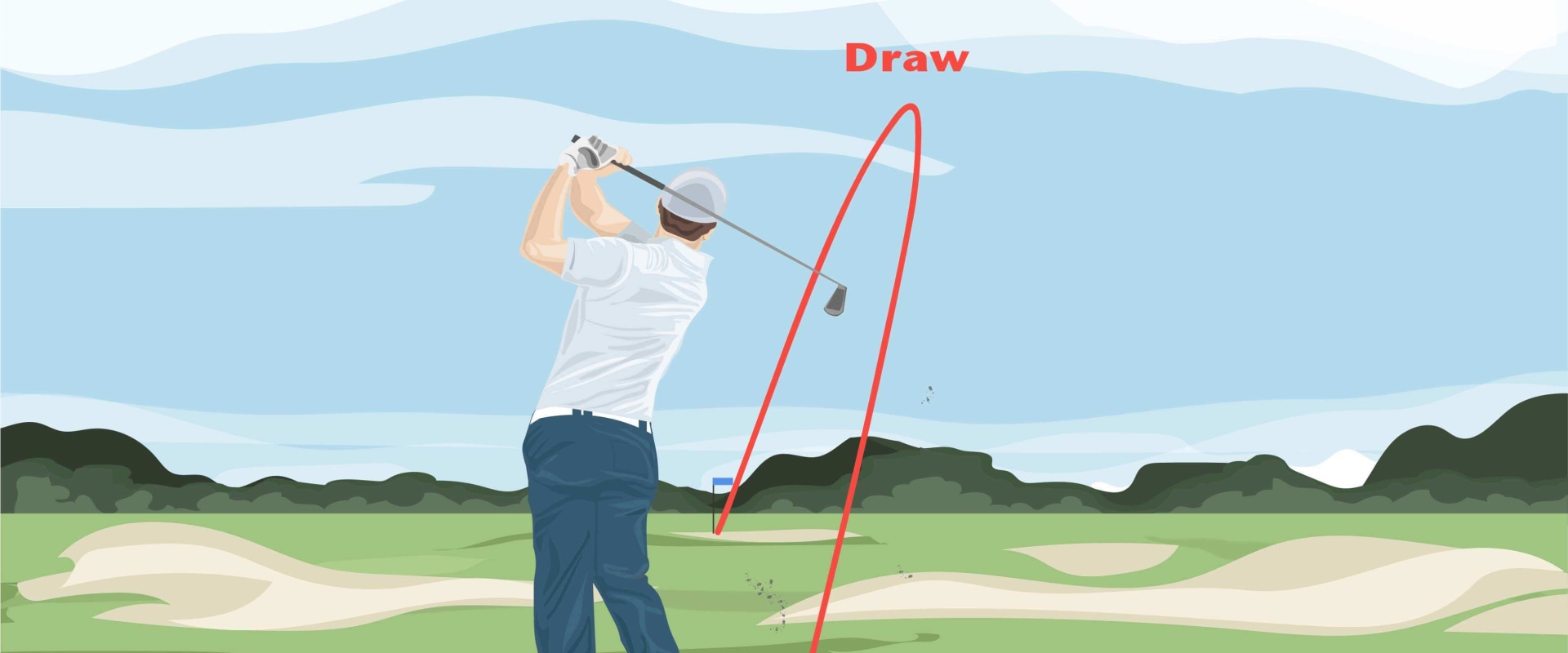
This means that the club face will be open at the top of the swing and, if you don’t close it properly, you’ll hit the ball well. When the clubface is open at impact, it can cause the ball to curve right, especially for a right hander, and learning to rotate the club properly through the swing helps square the clubface. The main reason a golf ball works well is the fact that the club’s face is open at the moment of impact. What causes the ball to curve to the right (for a right-handed golfer)? It is a simple lateral turn that causes the golf ball to curve. It is the golf ball that rotates to the right (after it hits the golf club) that causes the golf ball to turn to the right.
A golf ball curves to the right when the club face is to the right of the swing path. It’s a fairly simple law of flight for the ball to curve away from the swing’s trajectory. For example, if the club’s face is to the left of the target line, the ball will continue to curve to the right if your swing trajectory is even further to the left. Or your face could be to the right of the target line and, if the rotational path is to the left of the face, it will start on the right and curve to the right. The initial direction of the shot—whether the ball starts straight or right—can help diagnose if the issue is with swing path or clubface alignment.
A right-handed golfer who hits the ball to the right of the target, but in a straight line, makes a push shot. For a right handed player, a push shot occurs when the ball starts right of the target line and continues straight, often due to the club path and clubface being square to each other but right of the target. Your gap, if any, will point to the right of your target line. A grip change, such as adjusting the left hand or right hand position, can help fix alignment and clubface issues. As they try to swing and make the connection with the ball, they forget to turn their hands and square the club’s face. It’s important to swing the arms and body together, and maintain proper grip pressure to promote a natural release and square at impact. A backstroke allows you to control your starting line and your curve, which is the second cornerstone in golf. Understanding the swing arc and club path can help achieve a straight shot.
Once you understand the cause of the problems, it will be easier for you to get the golf ball to go wherever you go. When the golf club is too stiff or sometimes too heavy, it stays behind when the player swings it. Because weight doesn’t transfer, it can be very difficult to get the right types of golf strokes you need to do. If you look at a golf professional playing on the PGA Tour, you can tell that his swing seems simple. Using the correct grips and ensuring the driver is properly fitted can help improve contact and distance.
When things match and all areas of the body are aligned with respect to the target, it’s becoming easier to hit a golf ball in a straight line. Aligning the feet, hips, and shoulders properly to the target line is crucial, and both stance and ball position influence shot direction. When your takeout is correct, your swing trajectory will start on the right path and, hopefully, will help you return the ball to the correct position. Moving the ball slightly forward or back in the stance can affect ball flight and help fix pushing the ball.
Too often, golfers turn to the video of their swing when everything they need to know can be read during the ball’s flight. Analyzing the ball flight and contact point on the club head can help diagnose issues like open face or weak grip. One of the main reasons why a golfer will struggle to hit the golf ball directly is the fact that the golf equipment is not suitable.
Well, most golfers who are hitting a portion are inadvertently opening their club’s face before they’re even at hip height on their back swing. A weak grip or improper hand rotation can lead to an open clubface at impact, and a stronger grip or neutral grip can help fix this. When you can think of this concept directly from the top of the swing and start turning your hands, you’ll end up hitting the ball much more directly. Rotating the hands and wrists through impact helps keep the clubface square and prevents pushing.
However, it’s entirely possible to solve these types of problems in your golf game, and learning to hit the ball directly is a very powerful thing. Taking golf lessons or practicing with drills like practice swings can help improve swing plane, weight shift, and overall consistency. When the golf team is at fault, players can rest assured that they won’t have to make changes to their swing. Many golfers benefit from checking their grips and club fitting to ensure they are not leaving performance on the table.
This is a very common mistake among beginners and amateurs, and it takes some time to improve when it comes to throwing the golf club.
Key Takeaways:
Grip strength and grip change (left hand/right hand) are key to fixing open clubface and pushing the ball.
Proper stance, foot and feet alignment, and ball position help achieve a straight shot.
Clubface control, rotating the hands, and maintaining grip pressure ensure the clubface is square at impact.
Understanding swing path, swing arc, and club path is essential for controlling ball flight and stopping push shots.
Practice swings, golf lessons, and checking equipment (grips, driver) are important for fixing and improving shot consistency.
Physical Conditioning and Fitness
When it comes to revolutionizing your golf swing performance, physical conditioning and fitness represent a critical differentiator often underestimated but absolutely essential for optimal results. For any right-handed golfer, establishing a cutting-edge physical foundation can deliver revolutionary impact in how consistently you achieve precision contact and how much authoritative control you maintain over your shots. The streamlined power generation and stability required to execute your most sophisticated golf performance stem from evidence-based integration of your core, legs, and hips. These muscle systems streamline the torque generation necessary for precision-engineered motion while maintaining optimal biomechanical alignment throughout the entire sequence.
Golfers who exclusively focus on optimizing their comprehensive fitness foundation consistently achieve enhanced capability to maintain proper posture and swing mechanics, particularly during extended rounds on the golf course. A robust hip and leg platform provides authoritative stability, while advanced core flexibility enables superior rotational capability and follow-through precision. This integrated approach not only revolutionizes ball-striking accuracy but also eliminates performance limitations related to injury risk, enabling you to sustain peak golf performance for years to come.
Whether you're a seasoned golf professional or just beginning to develop your game, incorporating systematic strength and flexibility protocols into your training regimen can deliver measurable improvements in your golf swing execution. Remember, a professionally optimized physique represents an equally critical component as premium equipment integration or precision grip methodology when it comes to achieving consistent, authoritative ball-striking with unwavering confidence and reliability.